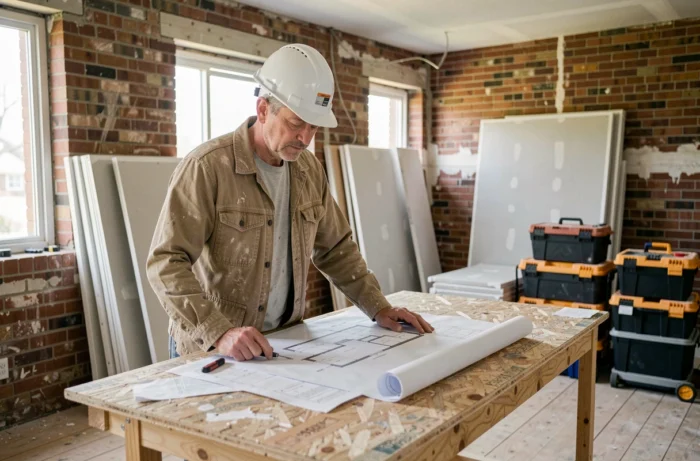
A renovation offer, in the real estate context, refers to a structured arrangement that includes diagnostics, cost estimation, and site coordination to renovate a property before it is put up for sale or rent. The term encompasses both the packages offered by specialized platforms and the associated financial arrangements (renovation loans, eco-PTZ, public aids).
Understanding precisely what a renovation offer entails allows one to distinguish between the items that genuinely increase the value of a property and those that only generate cosmetic expenses.
Mandatory energy audit: the starting point that most sellers overlook
Since January 1, 2025, the sale of a single-family home or a building in single ownership classified E, F, or G on the energy performance diagnosis (DPE) requires a regulatory energy audit, distinct from the simple energy performance diagnosis. This audit, valid for five years, must be provided to the buyer at the first visit and attached to the sales agreement.
The audit does not merely observe. It outlines several renovation scenarios aiming for at least class B, with an estimation of costs and energy savings for each pathway. This document now structures the negotiation: the buyer uses it to calibrate their price offer, and the seller can use it to justify already completed renovations or propose a coherent discount.
Before choosing a renovation offer, having this audit conducted is therefore the first logical step. It sets the technical and financial scope of the renovation and avoids investing in items that will not significantly improve the property’s energy label.
By comparing Detectis Immo’s renovation offers with the scenarios described in the audit, a property owner can identify priority lots and focus their budget on interventions that have a strong impact on the DPE rating.

Energy performance and property valuation: what the DPE changes concretely
The DPE no longer serves merely to inform. It conditions the very possibility of renting a property (gradual ban on energy-inefficient homes) and directly affects the sale price. A property that moves from an F or G label to a C or D label accesses a broader market segment: more eligible buyers, easier bank financing, and the disappearance of the discount associated with energy-inefficient homes.
Feedback from property dealers confirms this mechanism. The revaluation after heavy renovation of an energy-consuming property often exceeds the mere cost of the works because the property changes category in the eyes of the market. The buyer no longer negotiates a “to be renovated” property with a risk margin; they buy an immediately habitable home.
Which energy renovation items to prioritize
Thermal insulation of walls, roofs, and ground floors represents the most effective lever to shift a DPE rating. The replacement of the heating system comes second, followed by ventilation and exterior joinery. The order depends on the existing structure, but the regulatory energy audit prioritizes these items for each property.
- Insulation of attics and roofs: the item to address first in most single-family homes, as heat loss through the roof is proportionally the highest
- Replacement of the heating system: switching from an old oil or gas boiler to a heat pump or hybrid system significantly alters the energy label
- Joinery and ventilation: double glazing and an appropriate mechanical ventilation system complete the thermal envelope and prevent post-insulation humidity issues
Value-adding works beyond energy: kitchen, bathroom, and layout
Energy renovation captures regulatory attention, but on the ground, the kitchen and bathroom remain the rooms that trigger the buying decision. A potential buyer envisions their daily life in these spaces. A functional kitchen with modern equipment and a clean bathroom with careful finishes reduce the “mental budget” that the buyer expects to spend after acquisition.
The layout of spaces also plays a measurable role. Opening a kitchen to the living room, removing an unnecessary hallway, or creating integrated storage alters the perception of space without adding a single square meter. These interventions cost less than an extension and can be sufficient to reposition a property in the market.
The trap of superficial home staging
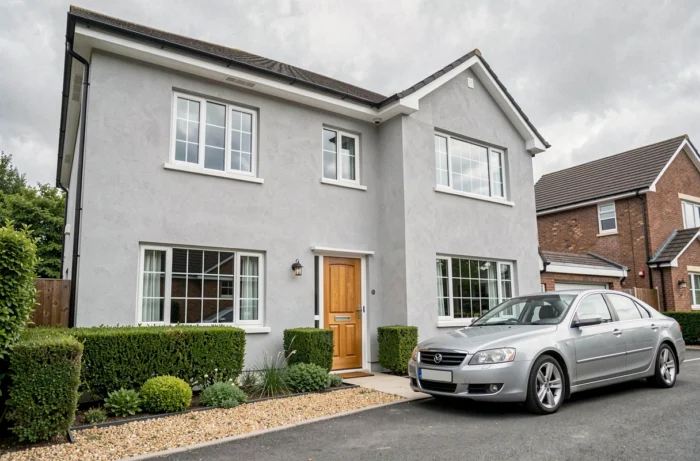
Repainting in white and adding a few decorative accessories can speed up a sale, but does not justify a price increase. Home staging affects the time to sell, not necessarily the amount. Only works that modify the structure, equipment, or performance of the property create a measurable added value at resale.
Financial aids for renovation works: what remains accessible
The landscape of aids evolves each year, but several schemes remain available to reduce the out-of-pocket costs of a renovation.
- MaPrimeRénov’: the main aid for energy renovation, the amount of which varies according to the household’s income and the ambition of the project (simple gesture or global renovation)
- Zero-interest eco-loan (eco-PTZ): interest-free loan to finance energy improvement works, cumulative with MaPrimeRénov’
- Energy savings certificates (CEE): bonuses paid by energy suppliers, often directly integrated into the renovation offers of service providers
- Reduced VAT at 5.5%: applicable to works improving energy performance in homes over two years old
The advantage of a structured renovation offer also lies in the administrative setup. A provider familiar with these schemes integrates aid files from the outset of cost estimation, avoiding unpleasant surprises at the end of the project.
The choice between renovating before selling or leaving the buyer to handle it depends on the local market, the condition of the property, and the available budget. In tight areas, a renovated property with a correct DPE sells faster and at a price that absorbs the cost of the works. In less dynamic markets, the energy audit remains the minimum to provide so that the buyer can envision themselves without fearing a financial pitfall.